Copper Discolouration: Rainbows & Coal
What Happened?
One recurring theme in my investigations is the discolouration of copper. Copper is used in many different applications, such as plumbing or electrical conductors, for its malleability and conductivity. Copper can be alloyed (mixed) with many other metals, to change the material properties to suit specific needs. Pure copper is bright orange in colour, but becomes yellowish when alloyed to form brass. Many different colours can be imparted by different factors, ranging from black and deep purples to bright golden yellows. Here, we will discuss two cases that highlight the variety of colours of copper, and what may cause such changes in colour.
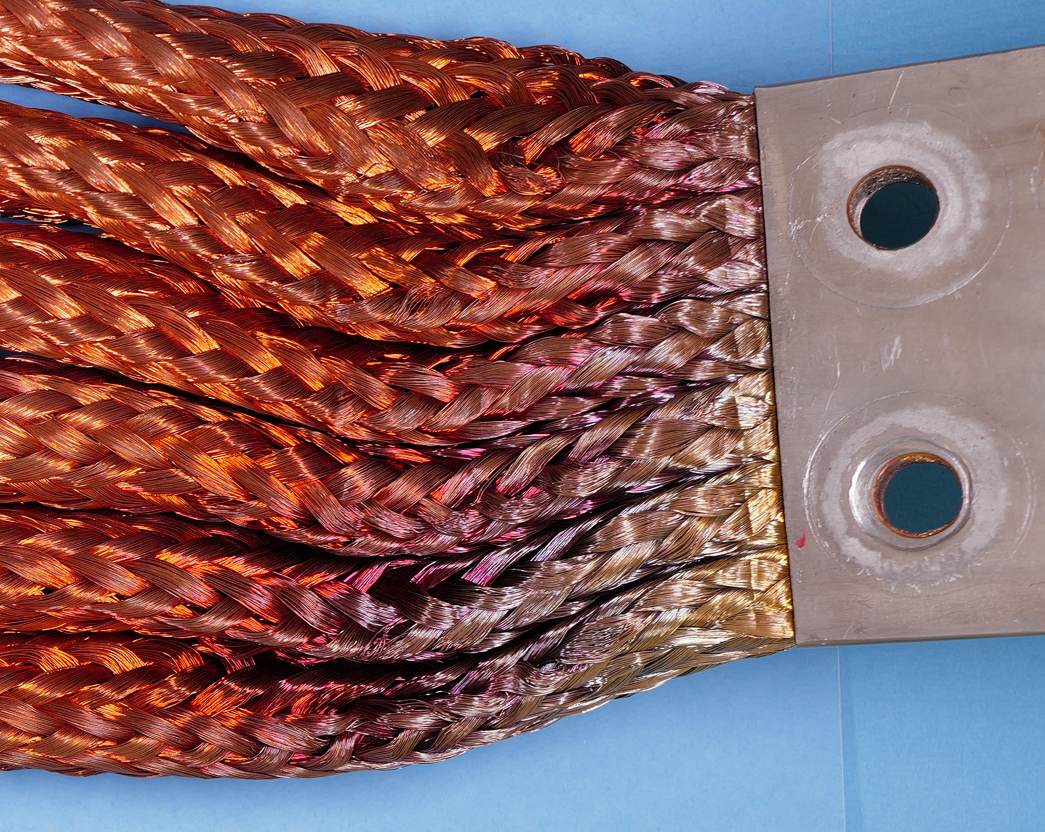
In one case, routine maintenance in a transformer substation found unusual discolouration in a braided copper wire conductor. In one corner, the bright-orange copper wires had turned to a rainbow of colours, in a clear gradient. This component carries significant electrical currents. Because of the safety risks involved, this discoloured piece was replaced, and sent to the CCFE Laboratory for further investigation.
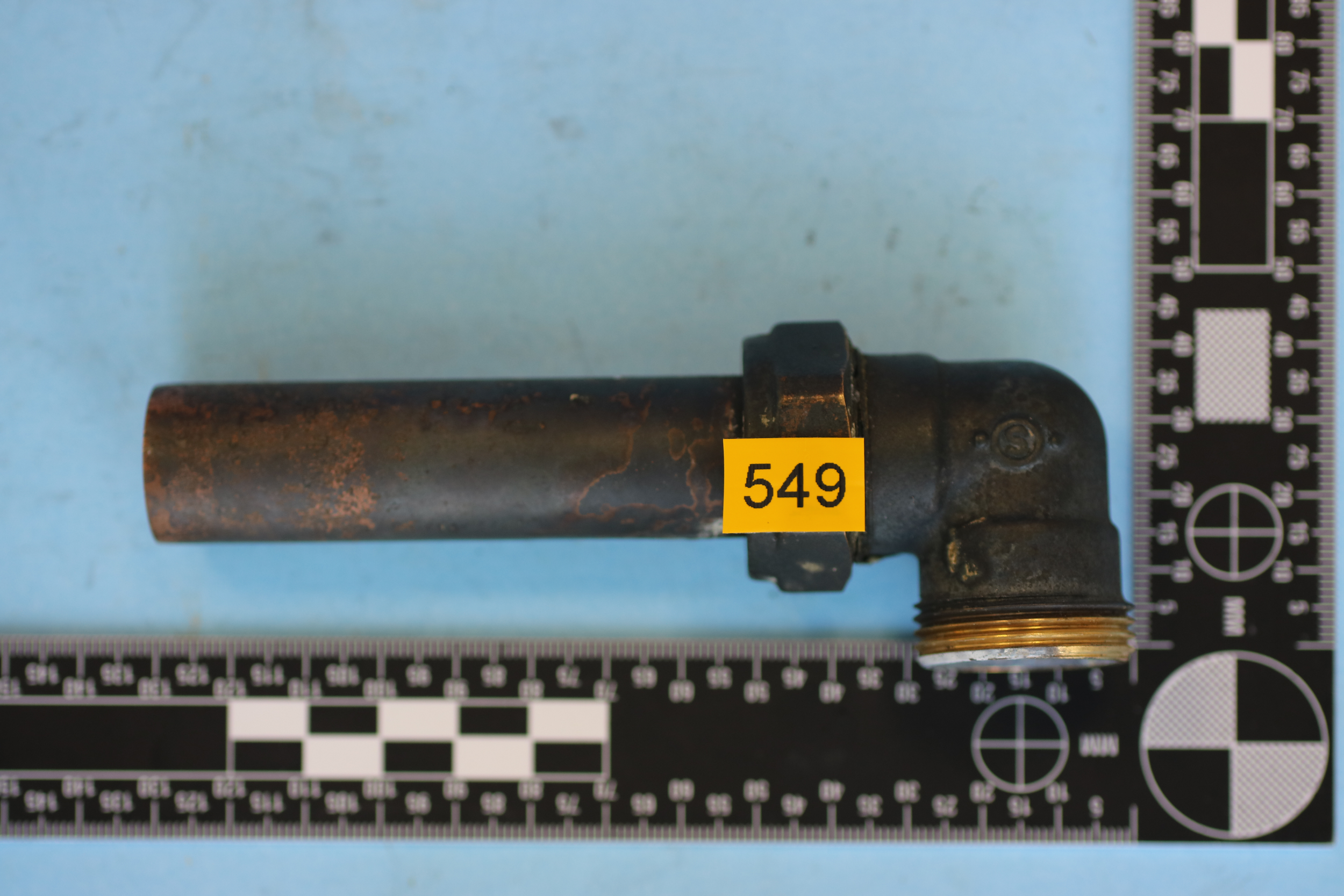
In another case, a residential developer had found that many plumbing pipes in several new-build houses had turned black over a number of months. The cause of the discolouration, and any potential defects, had to be determined before the houses could be finished. Samples of discoloured pipes were collected from several houses, and sent to the CCFE Laboratory.
How did we analyse it?
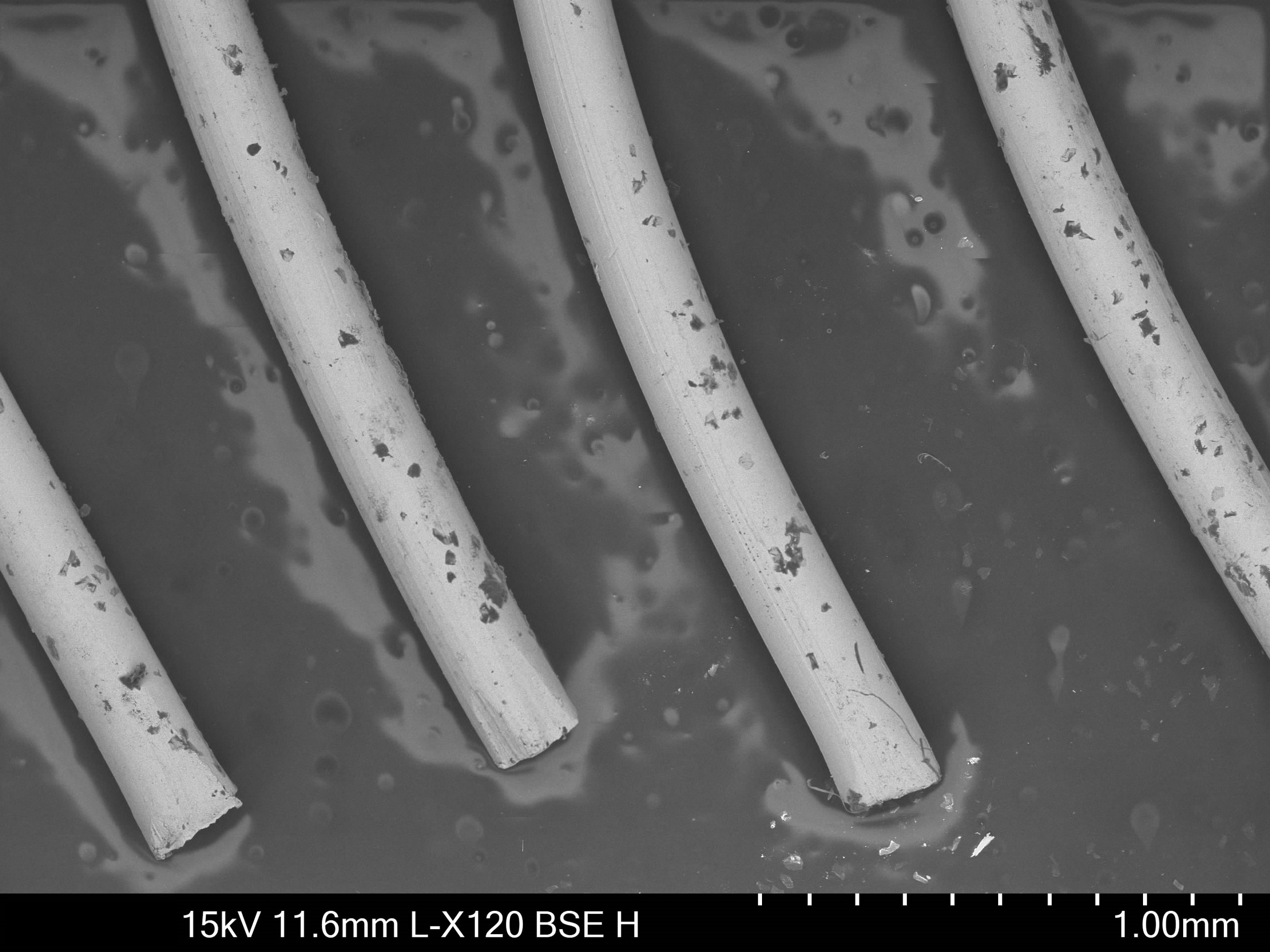
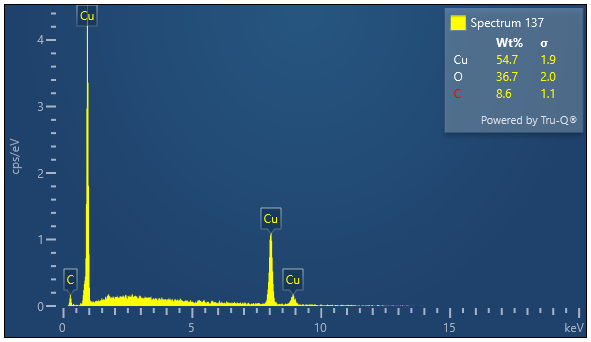
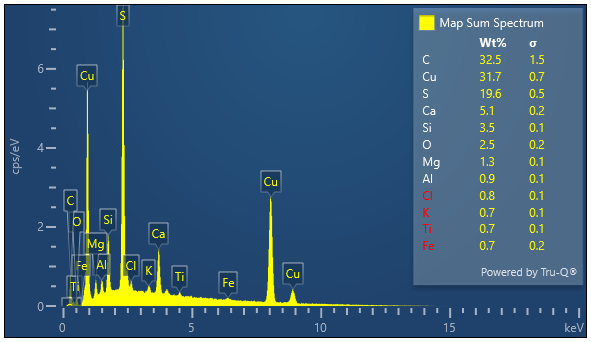
The analysis of both samples centred around Energy Dispersive X-ray Spectroscopy (EDS), to determine the elemental composition of the discoloured metal. There are essentially two ways that copper can be discoloured:
Something coming in contact with or adhering to the surface of the copper.
Something happening to the pure copper to cause a change in the colour of the copper itself.
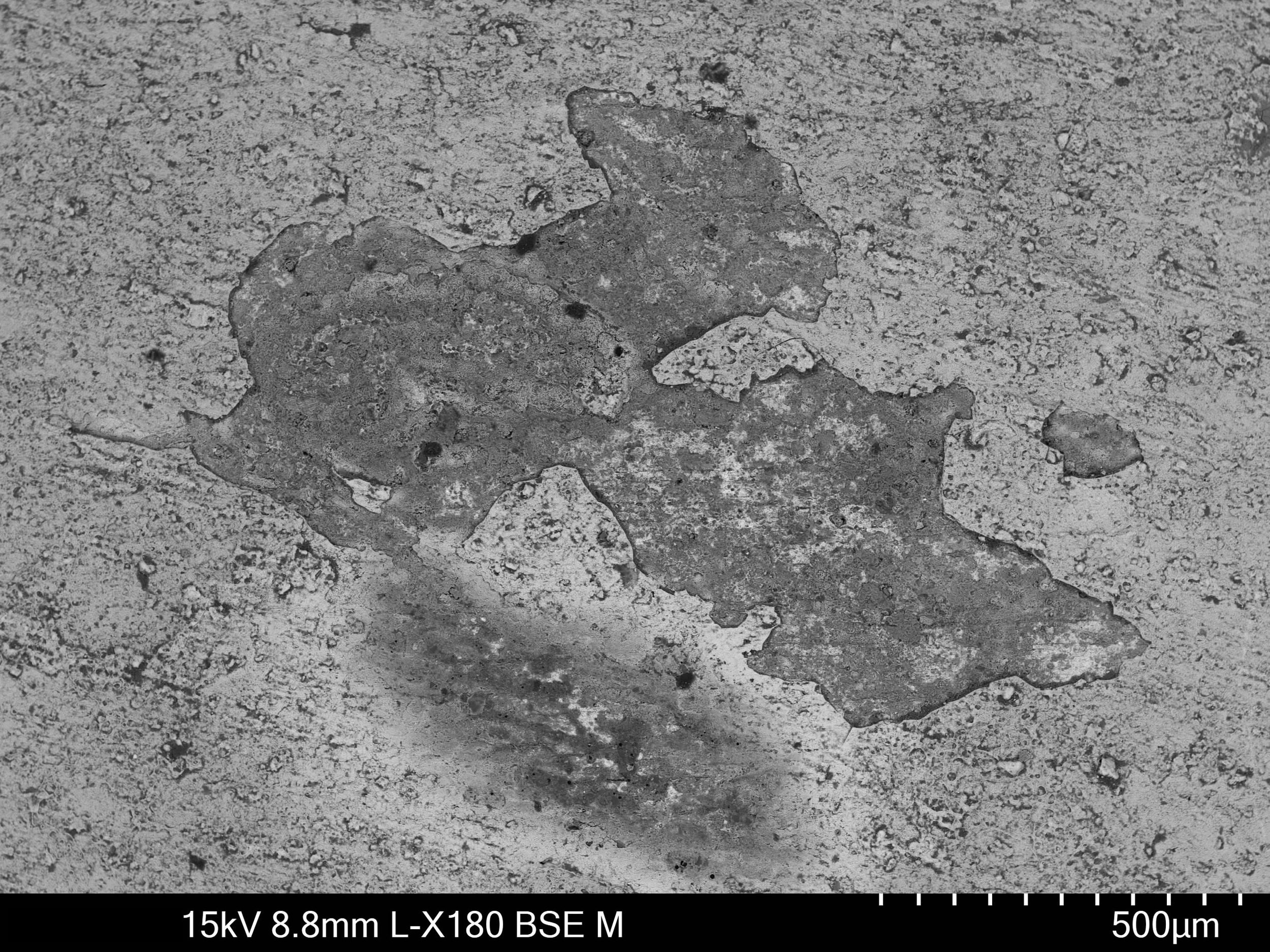
By analysing the surface of the received samples, we can detect whether the surface is pure copper, or if it has become contaminated with something else.
What was the resolution?
For the braided wire conductor, the copper surface was found to be essentially pure copper, excluding some carbon and silicon which are common contaminants. For this case, the finding showed that temperature-induced oxidation of surface was responsible for the change in colour of the copper wire, with no other external factors. With reference to academic literature, I was able to provide an estimated temperature/time range to cause such discolouration, which assisted my client in establishing stricter controls to prevent a repeat incident.
For the domestic plumbing pipe that had turned black, the copper surface contained (amongst other things) high levels of sulphur, which is not typical. This sulphur had reacted with the natural copper oxide layer that develops on the surface, imparting a black tint to the surface. This blackened material is only present in a very thin layer, and posed no practical threat to the service life of the pipes. The sulphur was identified to be environmental contamination originating from a nearby industrial estate.
Do you have copper part that does not look right? Or an unknown material depositing on your equipment? For a science-supported, evidence-based Expert Opinion, be sure to Contact Us today!